Cloud computing is undergoing its most significant transformation since its inception, with 2025 marking a new era of intelligent, distributed, and sustainable cloud infrastructure. The convergence of AI, edge computing, and advanced networking technologies is reshaping how businesses leverage cloud capabilities.
Market Insight: The global cloud computing market is projected to reach $1.2 trillion by 2025, with AI-enabled cloud services growing at 35% annually.
Table of Contents
AI-Integrated Cloud Platforms

Artificial Intelligence is becoming the core intelligence layer of cloud platforms, transforming them from passive infrastructure to active, intelligent systems.
AI-Optimized Infrastructure
- Specialized AI processors and accelerators in cloud data centers
- Automated resource allocation and workload optimization
- Intelligent data management and processing pipelines
- Self-healing systems with predictive maintenance
AI-Powered Cloud Services
Cloud providers are embedding AI capabilities directly into their services:
- Intelligent database management with auto-tuning
- AI-driven security threat detection and response
- Automated cost optimization and resource management
- Natural language interfaces for cloud management
Edge Computing Revolution
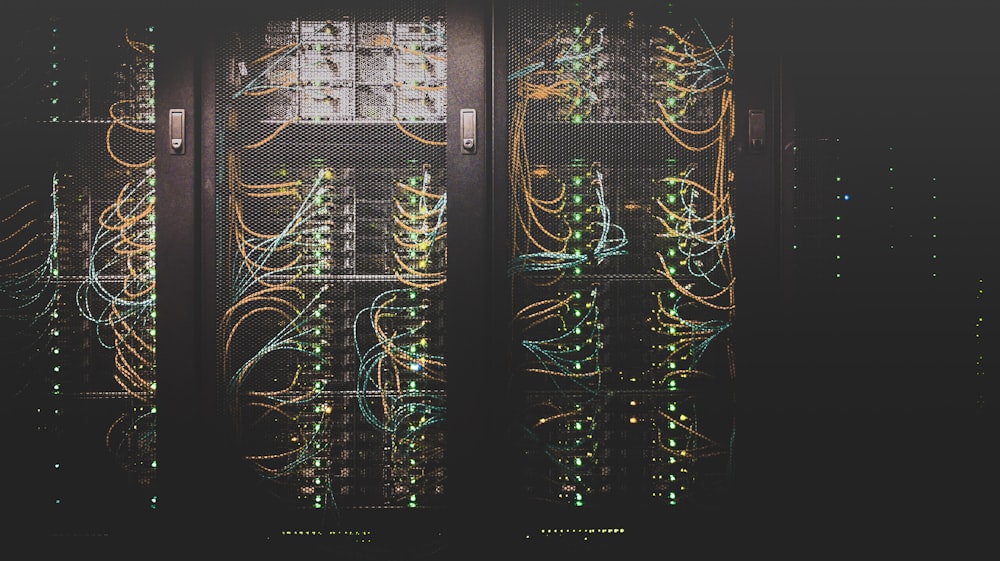
Edge computing is evolving from a complementary technology to a core component of cloud architecture, enabling real-time processing and reduced latency.
Distributed Cloud Architecture
Cloud providers are extending their infrastructure to edge locations, creating a seamless continuum from core to edge:
- 5G-enabled edge computing nodes
- Micro data centers in urban areas
- IoT gateway integration with cloud services
- Unified management across core and edge
Real-World Impact: Manufacturing companies using edge-cloud hybrid solutions have reduced processing latency by 85% and improved operational efficiency by 40%.
Use Cases Driving Adoption
- Autonomous vehicles and smart transportation
- Industrial IoT and smart manufacturing
- Augmented and virtual reality applications
- Real-time video analytics and surveillance
Multi-Cloud & Hybrid Strategies
Businesses are increasingly adopting multi-cloud and hybrid approaches to avoid vendor lock-in and optimize performance across different workloads.
Strategic Multi-Cloud Implementation
- Workload-Optimized Deployment: Matching specific workloads to optimal cloud providers
- Cost Optimization: Leveraging competitive pricing across providers
- Risk Mitigation: Avoiding single points of failure and vendor dependency
- Compliance Alignment: Meeting regional and industry-specific requirements
Unified Management Platforms
Advanced cloud management platforms are emerging to simplify multi-cloud operations:
- Centralized monitoring and governance
- Automated cost management across providers
- Unified security policy enforcement
- Cross-platform application deployment
Serverless Architecture Evolution
Serverless computing is maturing beyond function-as-a-service to encompass complete application architectures and stateful workloads.
Next-Generation Serverless
- Stateful Serverless: Support for stateful applications and data persistence
- Long-Running Functions: Extended execution times for complex workflows
- Enhanced Cold Start Performance: Near-instantaneous function initialization
- Advanced Orchestration: Sophisticated workflow management and coordination
Industry Adoption Patterns
Serverless is becoming the default architecture for specific use cases:
- Real-time data processing pipelines
- Microservices and API backends
- Event-driven applications
- Batch processing and ETL workflows
Sustainable Cloud Computing
Environmental considerations are becoming a critical factor in cloud strategy, driving innovation in energy efficiency and carbon-aware computing.
Green Cloud Initiatives
- Renewable energy-powered data centers
- Carbon-aware workload scheduling
- Energy-efficient hardware and cooling systems
- Sustainable software development practices
Carbon Footprint Management
Cloud providers are introducing tools to help businesses measure and reduce their environmental impact:
- Carbon emission tracking and reporting
- Energy consumption optimization recommendations
- Sustainability-focused architecture patterns
- Green certification and compliance support
Advanced Cloud Security
As cloud adoption grows, security strategies are evolving to address new challenges and leverage cloud-native security capabilities.
Cloud-Native Security Evolution
- Zero-Trust Architecture: Identity-centric security models
- AI-Powered Threat Detection: Real-time anomaly detection and response
- Confidential Computing: Data protection during processing
- Automated Compliance: Continuous compliance monitoring and enforcement
Security Best Practice: Implement a defense-in-depth strategy combining cloud-native security tools, third-party solutions, and comprehensive monitoring across all cloud environments.
Cost Optimization 2.0

Cloud cost management is evolving from basic monitoring to intelligent, automated optimization leveraging AI and machine learning.
Intelligent Cost Optimization
- AI-driven resource right-sizing recommendations
- Automated spot instance management
- Predictive cost forecasting and budgeting
- Cross-provider cost comparison and optimization
FinOps Maturity
Financial Operations (FinOps) practices are becoming standardized across organizations:
- Cross-functional cloud cost accountability
- Real-time cost visibility and alerting
- Business value-based cloud investment decisions
- Automated cost allocation and showback
Conclusion
The cloud computing landscape in 2025 represents a fundamental shift toward intelligent, distributed, and sustainable infrastructure. Organizations that embrace these evolving trends—AI integration, edge computing, multi-cloud strategies, and sustainable practices—will gain significant competitive advantages in agility, innovation, and operational efficiency.
Strategic Recommendation: Develop a comprehensive cloud strategy that balances innovation with governance, leverages AI for optimization, prioritizes security, and aligns with sustainability goals. Consider partnering with cloud experts to navigate this complex and rapidly evolving landscape.
Frequently Asked Questions
What's the biggest challenge in multi-cloud implementation?
The primary challenge is maintaining consistent security, governance, and operational practices across different cloud environments. This requires robust cloud management platforms and well-defined cross-cloud policies.
How can businesses prepare for AI-integrated cloud platforms?
Start by upskilling teams in AI and machine learning concepts, experimenting with AI services from cloud providers, and developing a data strategy that supports AI initiatives. Consider starting with low-risk AI applications to build experience.
Is edge computing replacing cloud computing?
No, edge computing complements cloud computing by handling latency-sensitive and bandwidth-intensive workloads locally, while the cloud continues to provide scalable computing, storage, and advanced analytics capabilities.
Comments (2)
Excellent analysis of the cloud evolution. The section on sustainable cloud computing is particularly timely. We've reduced our carbon footprint by 30% by implementing green cloud practices and carbon-aware scheduling.

Lisa Park
Posted onCould you elaborate more on the implementation challenges of edge-cloud hybrid architectures? We're facing significant complexity in managing distributed applications across core and edge environments.
James Wilson
Posted on